

Commercial Cleaning Equipment Starter Kit Guide: What a New Cleaning Business Should Buy First
What a new commercial cleaning business should buy first — machines, supplies, and packages that scale.

Introduction
This guide is written for new cleaning business owners, solo operators, small janitorial teams, and contractors building their first equipment package. The goal is to help the buyer make a clean, confident decision before spending money. Commercial cleaning equipment is not something buyers should choose only from a picture, a price, or a short product title. The right decision starts with the work being done inside the building. The buyer needs to understand the surface, the soil, the route, the operator, the storage space, the maintenance plan, and the support items that will be needed after delivery.
The problem this guide addresses is building a profitable starter setup that supports real cleaning jobs without overspending. That problem can look simple from the outside, but in real buildings it usually has layers. A school hallway is different from a warehouse aisle. A church entryway is different from a retail backroom. A small contractor route is different from a multi-shift facility. The same product may be a great fit for one buyer and a poor fit for another buyer because the route, soil level, and staff experience are different.
A strong guide also helps protect the buyer from regret. Most regret comes from choosing the wrong category, underestimating maintenance, forgetting accessories, or buying a product that is too small, too large, or too complicated for the team. The better approach is to match the product to the job, then build the package around the actual workflow.
Quick Answer
The quick answer is this: this guide is useful when the buyer is dealing with building a profitable starter setup that supports real cleaning jobs without overspending. It is not the right path when the real need is buying every attractive tool online before confirming service type, contract size, storage, and transportation. Before purchasing anything, the buyer should confirm the job, the surface, the soil, the route length, the cleaning frequency, the operator skill level, the storage area, and the parts or consumables needed after delivery.
The best next step depends on certainty. If the buyer already knows the exact product, size, and accessory setup, they can shop directly. If the buyer is comparing categories or facility requirements, they should use the Equipment Finder. If the buyer has a plain-language question, the AI Advisor can help. If the purchase is high-ticket, for multiple locations, or part of a package, Request a Quote is the safer path.
What Job Does This Guide Solve?
This guide solves the job of helping buyers understand what equipment, parts, and accessories make sense for a real cleaning route. The key phrase is real cleaning route. A route is not just square footage. It includes where the operator starts, where the operator stops, how often the task repeats, what gets in the way, where the machine is stored, and what outcome the buyer expects.
The buyer should ask: What is slowing the team down today? Is the issue labor time, poor appearance, debris buildup, wet floors, dust, carpet soil, streaking, safety risk, or lack of organization? Each problem points to a different solution. A product that looks impressive may not solve the actual bottleneck. A smaller product may outperform a larger one if it fits the route better.
Who This Guide Is Best For
This guide is best for new cleaning business owners, solo operators, small janitorial teams, and contractors building their first equipment package. These buyers usually care about productivity, safety, reliability, predictable results, and simple support. They may not want the cheapest item. They want the right item. They want fewer complaints, fewer delays, fewer wrong orders, and a setup that their team can actually use.
This guide is also useful for buyers who are building a package. A single machine rarely solves everything by itself. Most equipment needs accessories, wear items, chemicals, filters, bags, pads, brushes, hoses, batteries, or safety supplies. When these items are missing, the buyer may receive the machine but still be unable to complete the job properly.
The guide is not ideal for a buyer who wants a one-click purchase without checking fit. The buyer can still purchase quickly, but they should first confirm the basic details. A few minutes of planning can prevent returns, downtime, and wasted money.
Categories to Compare
The buyer should compare these categories before making a final decision:
Commercial Vacuums
Commercial Vacuums is worth comparing when your starter cleaning equipment matches how this category is designed to be used. Check fit, consumables, and storage before choosing by price alone.
Janitorial Carts
Janitorial Carts is worth comparing when your starter cleaning equipment matches how this category is designed to be used. Check fit, consumables, and storage before choosing by price alone.
Mop Systems
Mop Systems is worth comparing when your starter cleaning equipment matches how this category is designed to be used. Check fit, consumables, and storage before choosing by price alone.
Compact Scrubbers
Compact Scrubbers wash hard floors with water and detergent — use them when floors need wet cleaning, not just dry debris pickup. Match pad/driver size, tank capacity, and squeegee width to the layout.
Carpet Spotters
Carpet Spotters remove embedded soil from carpet and upholstery with water, vacuum, and chemistry. Size tank, heat, and vacuum performance to the rooms and drying windows you serve.
Wet/Dry Vacuums
Wet/Dry Vacuums is worth comparing when your starter cleaning equipment matches how this category is designed to be used. Check fit, consumables, and storage before choosing by price alone.
Key Buying Factors
Surface Type
Surface type controls almost everything. Concrete, tile, VCT, sealed floors, carpet, gym flooring, sidewalks, and warehouse floors all require different tools and accessories. The wrong machine or pad can leave poor results. The wrong chemical can create residue. The wrong brush can underperform or damage the surface. Buyers should identify the surface before comparing price.
Soil or Debris Type
The buyer should describe the mess clearly. Is it dry dust, sand, leaves, packaging debris, carpet soil, grease, oil, sticky residue, salt, mud, liquid, lint, or heavy industrial debris? The type of soil determines whether the buyer needs sweeping, scrubbing, extraction, vacuuming, burnishing, or a combination of tools.
Cleaning Frequency
Daily cleaning requires a different setup than weekly or monthly cleaning. High-frequency work needs equipment that is easy to access, easy to train on, and easy to maintain. If setup takes too long, the operator may avoid the product. For repeated routes, convenience is a productivity feature.
Facility Layout
Doorways, elevators, aisle width, turns, storage rooms, ramps, fixtures, furniture, and customer traffic all affect the right choice. A machine that is productive in an open warehouse may be terrible in a crowded hallway. A compact tool may be better for tight buildings even if it is slower on paper.
Operator Skill
The operator matters. Some teams have trained floor-care professionals. Some teams rely on rotating staff, volunteers, or new employees. A product that needs more skill should be paired with training, checklists, and support. A simple product is often better when staff turnover is high.
Storage and Transport
Storage is one of the most ignored buying factors. The buyer should know where the product will live, how it will be moved, and whether it fits in the closet, van, elevator, or maintenance room. If equipment is hard to access, it gets used less.
Total Cost of Ownership
The price tag is only one part of the cost. The real cost includes labor, downtime, replacement parts, accessories, chemicals, batteries, chargers, filters, bags, pads, brushes, service, and training. The right purchase lowers total friction, not just upfront cost.
Buyer Checklist
Use this checklist before purchasing:
- 1. Identify the exact cleaning task.
- 2. Confirm the surface type.
- 3. Confirm the soil or debris type.
- 4. Estimate square footage or route length.
- 5. Decide how often the task must be completed.
- 6. Confirm who will operate the product.
- 7. Confirm storage and transport space.
- 8. Confirm power, water, charging, or fuel requirements if applicable.
- 9. List required accessories for day one.
- 10. List replacement parts and consumables.
- 11. Confirm warranty, shipping, and return conditions.
- 12. Decide whether to buy online, request a quote, or build a package.
Recommended Package Strategy
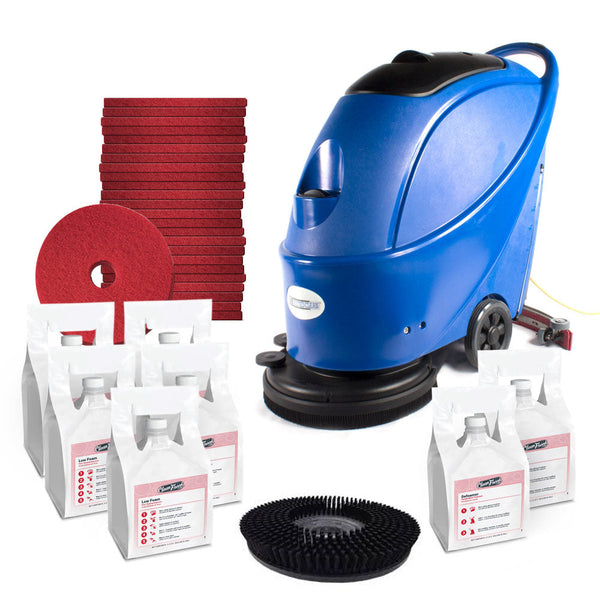
The strongest sales opportunity is often a package, not a single item. Buyers frequently buy the main product and forget the small items that make it work. That creates frustration after delivery. A package solves the whole job.
For this topic, recommended support items may include:
- Vacuum Bags — inspect on your weekly PM walk and keep a spare if the route runs daily or multiple shifts.
- Filters — inspect on your weekly PM walk and keep a spare if the route runs daily or multiple shifts.
- Mop Heads — inspect on your weekly PM walk and keep a spare if the route runs daily or multiple shifts.
- Microfiber — inspect on your weekly PM walk and keep a spare if the route runs daily or multiple shifts.
- Floor Pads — inspect on your weekly PM walk and keep a spare if the route runs daily or multiple shifts.
- Sprayers — inspect on your weekly PM walk and keep a spare if the route runs daily or multiple shifts.
- Ppe — inspect on your weekly PM walk and keep a spare if the route runs daily or multiple shifts.
- Wet Floor Signs — inspect on your weekly PM walk and keep a spare if the route runs daily or multiple shifts.
Create three package options when possible. A starter package should include the core product and basic supplies. A facility package should include extra wear items, safety supplies, and maintenance items. A contractor package should include backup consumables and route-support items for repeated jobs.
Best Use Cases
Small Offices
Office routes focus on lobbies, corridors, and break areas with furniture, elevators, and after-hours windows. Quiet, compact equipment with simple storage usually outperforms oversized machines.
Churches
Schools and churches mix hallways, gyms, restrooms, and entrances with tight storage and rotating staff. Favor equipment that is easy to train on, quiet enough for occupied buildings, and sized for elevators and closet storage.
Daycares
daycares buyers should match equipment to surface type, soil level, route length, and who operates the machine each day.
Retail Spaces
retail spaces buyers should match equipment to surface type, soil level, route length, and who operates the machine each day.
Restaurants
restaurants buyers should match equipment to surface type, soil level, route length, and who operates the machine each day.
Move-Out Jobs
move-out jobs buyers should match equipment to surface type, soil level, route length, and who operates the machine each day.
Small Warehouses
Warehouse routes usually mean long concrete aisles, pallet debris, and dust that tracks into offices. Match machine width to aisle layout, hopper or tank size to shift length, and plan for daily emptying and filter checks.
Common Mistakes to Avoid
Mistake 1: Buying by Price Only
Price matters, but fit matters more. A cheap product that slows the route, creates rework, or fails early is not cheap. A more expensive option may be justified if it saves labor, reduces downtime, and improves cleaning consistency.
Mistake 2: Buying the Wrong Category
Wrong-category purchases are common. A sweeper is not a scrubber. A scrubber is not a carpet extractor. A burnisher is not the same as a buffer. A vacuum is not a wet pickup tool unless it is designed for that job. The guide should explain the category clearly.
Mistake 3: Forgetting Wear Items
Most commercial cleaning products depend on wear items. Pads, brushes, bags, filters, squeegees, belts, hoses, nozzles, batteries, chargers, gaskets, and chemicals decide how well the product performs after the first few weeks.
Mistake 4: Ignoring Training
Even simple equipment needs a consistent process. Operators should understand setup, use, shutdown, cleaning, storage, and inspection. A quick-start guide near the storage area can prevent avoidable damage and poor results.
Mistake 5: Ignoring Storage
A machine that does not fit the building becomes a problem immediately. Storage affects whether the product gets used daily or sits unused in the corner.
Maintenance and Ownership Plan
A good ownership plan keeps performance predictable. Assign one person to inspect the product weekly. Keep common wear items in stock. Store the product where it can be accessed easily. Train every operator the same way. Add a quick-start sheet to the equipment area.
Daily or per-use maintenance should include wiping the product down, checking wear items, removing debris, emptying tanks or hoppers where applicable, inspecting filters or bags, and parking the equipment safely. Weekly maintenance should include a deeper inspection and a review of operator complaints.
If performance drops, do not immediately assume the machine is defective. Check the basic items first: worn pads, clogged filters, full bags, damaged hoses, weak batteries, dirty tanks, worn blades, incorrect chemicals, poor adjustment, or operator error. Many performance problems are maintenance problems.
Parts and Accessories
Stock the wear items that keep your equipment performing after the first few weeks — not just the main machine. Use model numbers when ordering so you get compatible parts the first time.
Open Parts Finder › · Request a Quote ›
FAQ
What should I confirm before buying?
Confirm the task, surface type, soil type, route length, cleaning frequency, operator skill, storage space, and accessories needed on day one.
Should I buy online or request a quote?
Buy online when you know the exact product and support items. Request a quote for packages, high-ticket equipment, multiple locations, or compatibility questions.
What is the biggest reason buyers regret this purchase?
Most regret comes from buying the wrong category, choosing the wrong size, or forgetting the parts and consumables needed to use the product correctly.
How do I know which parts fit?
Use the exact model number, part number, and serial number when available. When unsure, use the Parts Finder or ask The Cleaning Business to confirm fit.
Is a package better than buying one product?
Often, yes. A package helps the buyer start with the right accessories, wear items, chemicals, safety supplies, and maintenance items.
How often should I inspect wear items?
For regular commercial use, inspect wear items weekly at minimum. High-use teams should inspect critical items daily or per shift.
What if I am still unsure?
Use the Equipment Finder for guided selection, ask the AI Advisor a plain-language question, or request a quote with your facility details.
Final Recommendation
If you are working through building a starter equipment lineup for a new cleaning business, the right setup depends on fit — not the lowest price. Confirm surface, soil, route length, operator skill, storage, and the wear items you need on day one.
Best next step: Explore starter packages and core equipment collections. You can also use the Equipment Finder, ask the AI Advisor, or request a quote for packages and compatibility help.


Built for performance. Backed by experts.
Keep Your Equipment Running Strong
Genuine parts, expert support, and reliable equipment to keep your business moving forward.

- Fast Shipping Quick delivery from U.S. warehouses
- Expert Support Real people. Real solutions. We're here to help.
- 30-Day Returns Hassle-free returns on eligible items
- Secure Payments Shop with confidence. Your information is safe.
- 100% Satisfaction We stand behind our products and service.
