Buying Guide
Mi-T-M CW Premium Series Electric Pressure Washer Buying Guide: How to Choose the Right Machine for Your Facility
Learn whether the Mi-T-M CW Premium Series Electric Pressure Washer is the right machine for your facility, cleaning route, crew, budget, and maintenance plan.
Overview
Quick answer
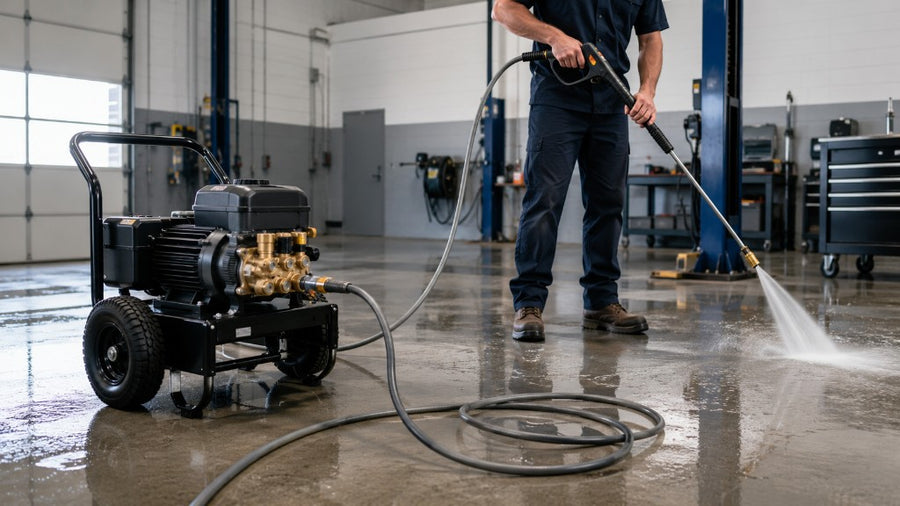
The Mi-T-M CW Premium Series Electric Pressure Washer is worth considering when you need a commercial electric pressure washer for facilities that want serious cleaning power without gasoline exhaust indoors. It is best for commercial facilities, service shops, equipment washing, indoor wash bays, and maintenance teams. It is not the right first choice for remote outdoor jobs without power, hot-water degreasing without a hot-water unit, or residential light-duty use. This guide is written for commercial buyers, facility managers, janitorial contractors, schools, churches, offices, warehouses, and teams comparing equipment before they spend money. The goal is not to hype the machine. The goal is to help a buyer understand fit, workflow, parts, training, maintenance, and total cost before they click add to cart or request a quote. A strong buyer guide should answer three questions fast: Will this machine clean my space? Will my team actually use it correctly? Will it be easy to maintain after purchase? If the answer to those questions is yes, the machine can become a profit tool. If the answer is no, even a strong product can become an expensive corner decoration.
Machine-specific buying notes
The Mi-T-M CW Premium Series electric pressure washer is a good fit when a buyer wants commercial pressure washing power in a setting where gasoline exhaust is not appropriate. The key buying decision is electrical readiness. The buyer must confirm voltage, phase, amperage, plug type, breaker capacity, and water supply before ordering. Electric pressure washers should be discussed around PSI and GPM together. Many buyers over-focus on PSI and ignore flow rate.
Who should buy this machine?
The best buyer is not simply the person who wants the biggest machine or the lowest price. The best buyer is the person who has matched the equipment to the floor, the soil level, the cleaning frequency, the storage area, the operator skill level, and the maintenance plan. For a commercial cleaning business, this matters because equipment affects labor hours. A machine that saves thirty minutes per shift can matter more than a small purchase-price difference. A machine that reduces rework can protect a contract. A machine that crews understand can reduce training mistakes, chemical waste, and damage. A machine with parts support can stay productive instead of sitting down while a manager searches for a blade, brush, hose, filter, or charger.
This machine is strongest when the buyer has a repeatable cleaning route. If the work is one small occasional job, renting or choosing a smaller tool may be smarter. If the work happens weekly or daily, owning the right equipment gives you control over schedule, cleaning quality, and customer expectations. The most common good-fit buyers are facility teams with recurring maintenance, contractors who clean similar sites every week, schools with daily traffic, churches with multi-purpose floors, offices with lobbies and restrooms, healthcare facilities with image-sensitive areas, and retail teams that need floors ready before opening.
What problem does it solve?
Most commercial cleaning problems are not caused by a lack of effort. They are caused by a mismatch between the cleaning task and the tool. A mop is simple, but it can spread soil if the water is dirty. A residential vacuum is familiar, but it can slow down a professional route. A pressure washer with the wrong PSI and GPM can be either weak or too aggressive. A floor buffer can be powerful, but it will not recover dirty solution like an automatic scrubber. A parts order can seem simple until the wrong squeegee blade or brush arrives.
The machine should be evaluated as a system, not just a product. The system includes the machine, the operator, the floor or surface, the chemical, the pads or brushes, the recovery or collection method, the charging or power plan, the storage area, and the replacement parts. When these pieces fit together, the buyer gets predictable cleaning. When one piece is missing, results drop quickly.
Key specs to compare before buying
Do not buy based on one number. Compare the specs that directly affect your job. Size, power source, tank or collection capacity, consumables, accessories, operator training, and parts availability all matter. Measure doorways, storage closets, elevators, aisles, and tight turns. Many buyers focus on productivity but forget that a machine must physically fit the route. If the machine cannot reach the area, the operator will switch back to manual cleaning.
Power source matters. Battery machines are flexible, but they need charging discipline. Corded machines avoid battery maintenance, but they need outlet access and cord safety. Gas machines may be powerful outside, but they are not usually the right choice for indoor enclosed spaces. Electric pressure washers can be strong for indoor facilities, but only if the electrical requirements match the site. Larger tanks reduce dump and fill stops, but they add weight and size. Smaller tanks are easier in tight areas, but the operator stops more often. The right tank size is the size that matches the route and the crew.
Best use cases by facility
Offices usually need quiet, efficient cleaning with minimal disruption. Look for equipment that can handle lobbies, restrooms, break rooms, hallways, and carpeted or hard-floor zones. Storage space is often limited, so compactness matters. Schools and churches have varied flooring: VCT, tile, gym-adjacent areas, carpeted offices, restrooms, cafeterias, and entryways. Equipment must be durable and simple because several staff members may use it. Healthcare environments need professional appearance, careful chemical control, and predictable workflows. Noise, training, and recovery of dirty solution are important. Warehouses need productivity, durability, and debris management. Retail stores and hotels care about appearance, quiet operation, maneuverability, and low downtime.
What to check before adding it to cart
Use this checklist before buying: measure the actual square footage cleaned per shift; identify the floor or surface type; identify the soil type; confirm storage and charging space; confirm operator comfort; confirm water access, dump area, or disposal process; confirm chemical compatibility; confirm pads, brushes, filters, hoses, blades, and other consumables; confirm warranty and support expectations; and decide who will inspect and maintain the machine weekly. This checklist prevents the most common buying mistake: choosing equipment from a product photo instead of from the jobsite.
Common mistakes to avoid
Buying too small can cost more in labor if the operator must make too many passes or stop too often. Buying too large can be frustrating if it cannot access restrooms, offices, tight aisles, elevators, or janitor closets. Ignoring parts can stop a route when a predictable wear item fails. Ignoring training can leave streaks, wet floors, worn pads, damaged surfaces, or customer complaints. Using the wrong chemical can leave residue, damage surfaces, or create safety issues. Not planning storage can cause crews to avoid the machine because it is hard to access or inconvenient to charge.
Maintenance plan
A simple maintenance plan protects the investment. At the end of each shift, the operator should remove debris, wipe down the machine, empty tanks or containers, inspect hoses and cords, rinse recovery areas where applicable, check pads or brushes, and park the machine in a safe storage location. Weekly, a supervisor should inspect wear parts and confirm that the machine is not being used with damaged accessories. Monthly, the team should review consumable stock and reorder before the last item is used. Pay attention to streaking, odor, loss of suction, poor recovery, reduced runtime, vibration, noise, overheating, or inconsistent cleaning. These are early signs that the machine needs attention.
Parts and supplies to keep nearby
A smart buyer should create a small starter kit for the machine. That kit may include the most common wear item, one extra filter or bag if the machine uses filters or bags, a replacement hose, blade, brush, pad driver, belt, or gasket where appropriate, the right pads, brushes, or nozzles for the surface, approved chemical or cleaning solution, a laminated quick-start checklist, a maintenance log sheet, and contact information for parts support. This does not mean overstocking expensive parts. It means avoiding downtime from predictable wear.
Cost of ownership
The purchase price is only one part of ownership. The real cost includes labor time, chemicals, water, electricity, batteries, filters, pads, brushes, blades, hoses, repairs, operator training, and downtime. A cheaper machine can be more expensive if it slows the crew or breaks often. A more expensive machine can be a better value if it reduces labor, improves results, and keeps customers happy. For cleaning contractors, the cost question should be tied to contracts. If the machine helps you clean faster, protect margins, and win larger accounts, it may justify a higher upfront cost. For facility managers, the cost question should be tied to staffing, safety, appearance, and consistency.
Buyer recommendation
Choose this machine if the job matches its strengths, your team can store and maintain it, and the machine fits your route. Do not choose it just because it is popular. The right machine is the one that makes the cleaning job simpler, faster, safer, and more repeatable. For The Cleaning Business, the best conversion path is to connect this guide to four actions: view compatible machines and packages, use the Equipment Finder if the buyer is unsure, start the AI Advisor if the buyer wants a recommendation, or request a quote if the buyer has a large facility, multi-site need, or wants bundled pricing.
FAQ
Is this machine good for small businesses? Yes, if the work is recurring and the machine fits the cleaning route. Small businesses should avoid overbuying, but they should also avoid staying manual for jobs that happen every week.
Can one person operate it? In most normal use cases, this type of commercial equipment is designed for one trained operator. The key is matching size, power, and controls to the operator and facility.
Should I buy the machine alone or as a package? A package is often better when you also need chemicals, pads, brushes, hoses, accessories, or replacement parts. Buying only the machine can leave the operator missing essentials on day one.
What should I ask before requesting a quote? Know your square footage, floor type, soil level, cleaning frequency, storage location, and budget range. Photos of the facility also help.
How do I know which pads, brushes, filters, or accessories to choose? Start with the floor or surface, then match the accessory to the cleaning task. Ask for help if you are unsure, because the wrong accessory can reduce performance or damage surfaces.
What is the biggest buying mistake? Buying without a maintenance plan. Even the best machine needs correct operation, cleaning, inspection, and consumable replacement.
Internal links to add
Link to the product or collection page for this machine, Equipment Finder, AI Advisor, Request a Quote, compatible parts and supplies, financing options, and related package pages.
Suggested CTA blocks
Near the top: “Need a fast recommendation? Use the Equipment Finder or ask the AI Advisor.” After the spec section: “Not sure which configuration fits your facility? Request a quote and include square footage, floor type, and cleaning frequency.” After maintenance: “Protect your machine with compatible parts, pads, brushes, filters, hoses, batteries, and cleaning chemicals.” At the bottom: “Build a complete package with the machine, compatible accessories, chemicals, maintenance parts, and expert support.”
Publishing checklist
Before publishing this guide, confirm current product availability, exact included accessories, warranty language, pricing, shipping restrictions, and compatible consumables. Also confirm whether the product name, brand, model number, and specifications match the exact SKU being sold on The Cleaning Business. Manufacturers sometimes sell multiple configurations under a similar model family. The page should be easy to scan on mobile. Use short paragraphs, comparison boxes, sticky CTAs, and accordions for FAQs. Put the most important buying decision above the fold: “Is this machine right for my facility?” If the page answers that question quickly, buyers will trust the rest of the guide.
Sources and verification notes
This draft was written using manufacturer and product information as a guide, but pricing, availability, accessories, and exact configurations should be verified before publishing. Source basis: Mi-T-M official CW Premium Series electric pressure washer page and product sheet.
Additional buying guidance for Mi-T-M CW Premium Series Electric Pressure Washer
When comparing the Mi-T-M CW Premium Series Electric Pressure Washer with another option, ask which product makes the cleaning route easier for the operator. Many buyers compare equipment from behind a desk, but cleaning happens in real rooms with cords, corners, doors, drains, furniture, storage limitations, time pressure, and staff turnover. The right choice is the one that supports consistent work under those real conditions. Also think about the person who will maintain the equipment. If there is no one assigned to inspect wear items, the machine will slowly lose performance. Streaks, weak recovery, reduced suction, uneven scrubbing, or slow drying are often not signs that the machine was a bad purchase. They are signs that accessories, consumables, or maintenance routines need attention. For buyers who are still unsure, the safest next step is to use a guided recommendation tool or request a quote. A quote request should include square footage, floor type, soil level, power availability, water access, preferred cleaning schedule, and any current equipment being replaced.
Additional buying guidance for Mi-T-M CW Premium Series Electric Pressure Washer
When comparing the Mi-T-M CW Premium Series Electric Pressure Washer with another option, ask which product makes the cleaning route easier for the operator. Many buyers compare equipment from behind a desk, but cleaning happens in real rooms with cords, corners, doors, drains, furniture, storage limitations, time pressure, and staff turnover. The right choice is the one that supports consistent work under those real conditions. Also think about the person who will maintain the equipment. If there is no one assigned to inspect wear items, the machine will slowly lose performance. Streaks, weak recovery, reduced suction, uneven scrubbing, or slow drying are often not signs that the machine was a bad purchase. They are signs that accessories, consumables, or maintenance routines need attention. For buyers who are still unsure, the safest next step is to use a guided recommendation tool or request a quote. A quote request should include square footage, floor type, soil level, power availability, water access, preferred cleaning schedule, and any current equipment being replaced.
Additional buying guidance for Mi-T-M CW Premium Series Electric Pressure Washer
When comparing the Mi-T-M CW Premium Series Electric Pressure Washer with another option, ask which product makes the cleaning route easier for the operator. Many buyers compare equipment from behind a desk, but cleaning happens in real rooms with cords, corners, doors, drains, furniture, storage limitations, time pressure, and staff turnover. The right choice is the one that supports consistent work under those real conditions. Also think about the person who will maintain the equipment. If there is no one assigned to inspect wear items, the machine will slowly lose performance. Streaks, weak recovery, reduced suction, uneven scrubbing, or slow drying are often not signs that the machine was a bad purchase. They are signs that accessories, consumables, or maintenance routines need attention. For buyers who are still unsure, the safest next step is to use a guided recommendation tool or request a quote. A quote request should include square footage, floor type, soil level, power availability, water access, preferred cleaning schedule, and any current equipment being replaced.
Key Features
Specifications
Pros & Cons
Pros
Cons
Best Use Cases
Parts & Accessories
View all parts & accessories ›FAQ
Final Verdict
Highly Recommended
Buyer Trust Score
Need Help Choosing the Right Machine?
Built for performance. Backed by experts.
Keep Your Equipment Running Strong
Genuine parts, expert support, and reliable equipment to keep your business moving forward.

- Fast Shipping Quick delivery from U.S. warehouses
- Expert Support Real people. Real solutions. We're here to help.
- 30-Day Returns Hassle-free returns on eligible items
- Secure Payments Shop with confidence. Your information is safe.
- 100% Satisfaction We stand behind our products and service.

Ready to Buy
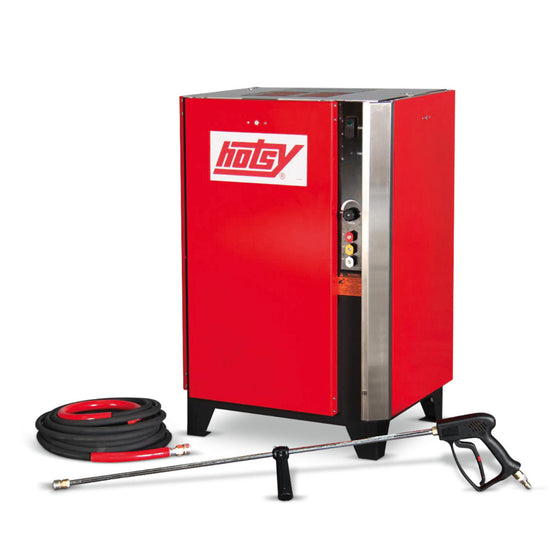
Hotsy® CWC-53 Stationary 4.0 GPM Pressure Washer (Electric) - 3,000 PSI
Add this product to cart or open the full product page for specs, photos, and configuration options.